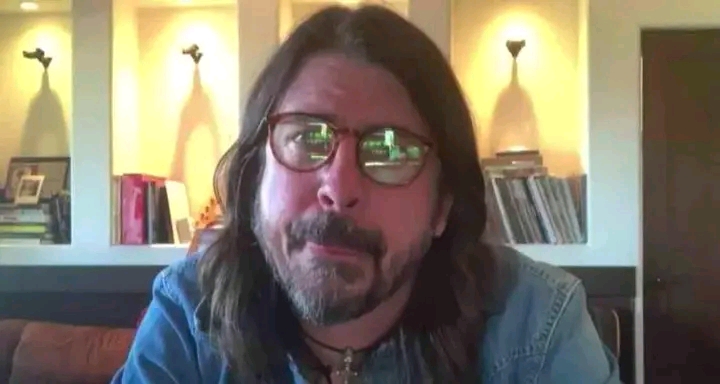
The idea of the Foo Fighters “getting political” in the way Green Day has long been known for sparks an interesting conversation about rock music, legacy, and the changing role of artists in public life. Both bands come from punk-rooted traditions where speaking up was never off-limits, yet they have historically expressed it in very different ways. Green Day has worn its politics on its sleeve for decades, while the Foo Fighters have often taken a more human, less confrontational approach. Still, the lines between the two seem to be narrowing.
In recent years, Dave Grohl and the Foo Fighters have become more vocal on social issues, even if not always through blunt protest anthems. Their statements tend to focus on unity, empathy, democracy, and standing up against hate. This isn’t politics in the party-line sense, but it is undeniably political in spirit. Like Green Day, they understand that silence can also be a statement, especially in a world marked by division, conflict, and uncertainty.
Green Day’s political voice has always been sharp and direct, from American Idiot to 21st Century Breakdown, albums that openly challenged leadership, media narratives, and public complacency. Foo Fighters, on the other hand, have historically leaned into personal resilience, grief, and collective healing. However, as times have grown more turbulent, their messages have naturally expanded beyond the personal into the societal. Songs, speeches on stage, and public actions now often reflect a belief that music should defend human dignity and freedom.
This shift doesn’t feel forced or out of character. Dave Grohl has always positioned rock music as a community — a place where people come together regardless of background. When the band speaks about voting, equality, or resisting intolerance, it feels less like preaching and more like inviting fans to care for one another. That’s where the Foo Fighters differ from Green Day’s confrontational edge, but still arrive at a similar destination.
Rock music has always been political, whether subtle or loud. From punk’s rebellion to grunge’s disillusionment, the genre thrives on reaction to the world around it. The Foo Fighters stepping further into that space is less a transformation and more an evolution. As veteran artists with a global platform, they recognize that their voices carry weight — and with that comes responsibility.
In the end, the Foo Fighters becoming more openly political doesn’t mean they’re trying to be Green Day. It means they’re being honest about the moment they’re living in. And in a time when many fans look to music not just for escape but for meaning, that honesty may be exactly what keeps rock relevant.