**Foo Fighters Official News: Josh Freese Theorizes Why He Was Fired from the Band**
In a development that has surprised fans across the rock world, longtime touring drummer **Josh Freese** has openly reflected on the circumstances surrounding his reported departure from the Foo Fighters, offering thoughtful theories about why his time with the band may have come to an end. While no official, detailed statement has been issued by the band confirming a dismissal, Freese’s candid remarks have sparked conversation about the pressures, expectations, and emotional complexity surrounding the Foo Fighters in the post–Taylor Hawkins era.
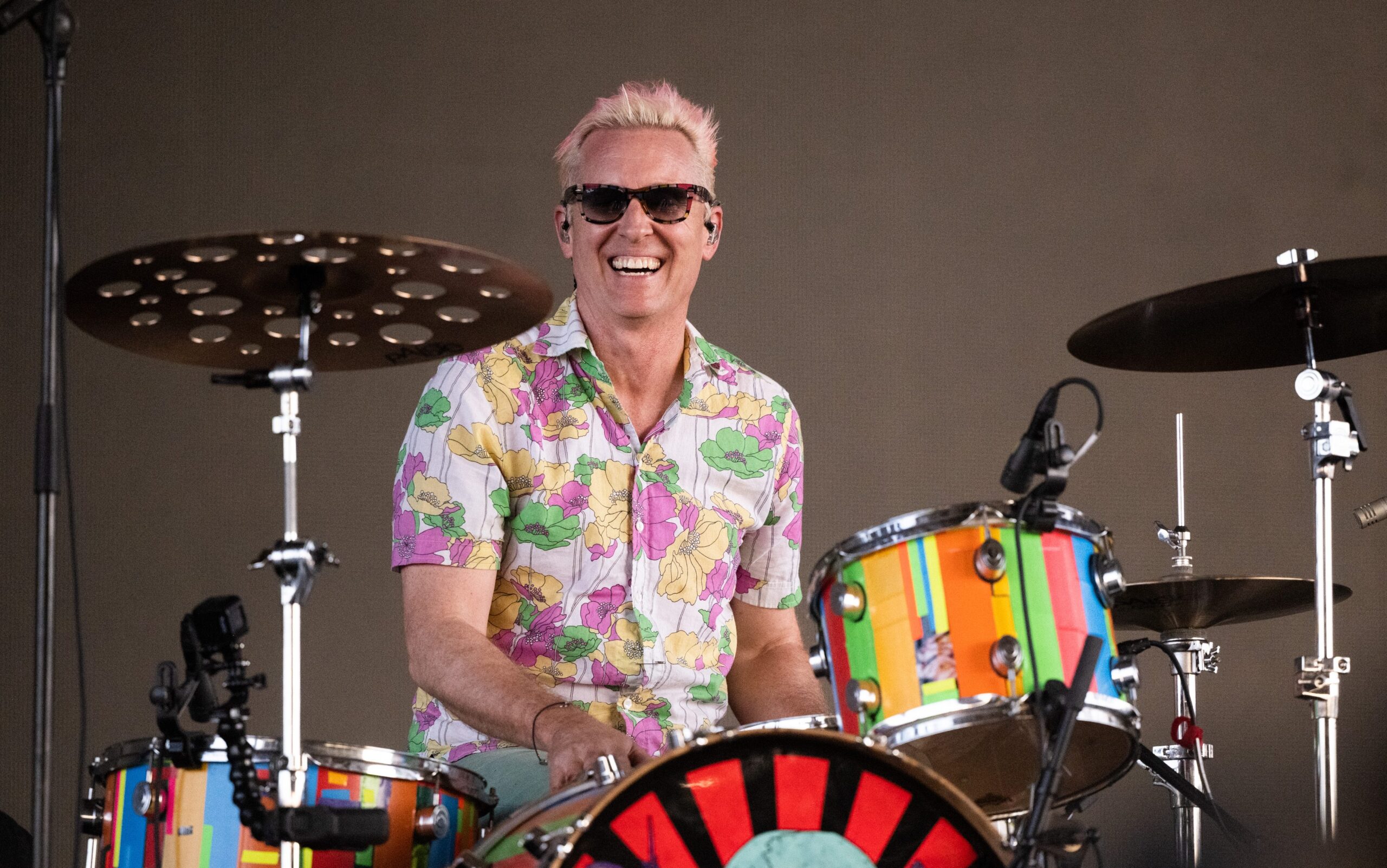
Freese, a highly respected drummer known for his work with Nine Inch Nails, A Perfect Circle, and The Vandals, stepped into the Foo Fighters’ live lineup following the devastating loss of Taylor Hawkins in 2022. His role was never an easy one. Hawkins was not only a powerhouse drummer but also a beloved brother to Dave Grohl and a core part of the band’s spirit. Freese has acknowledged this reality, suggesting that any drummer filling that seat would face extraordinary scrutiny—both from fans and from within the band itself.
In recent comments, Freese theorized that his departure may not have been about musical ability or professionalism, but rather about **chemistry, direction, and emotional alignment**. He hinted that the Foo Fighters may be searching for a rhythm section dynamic that feels more permanent and organically connected as they continue to heal and redefine themselves. “Sometimes it’s not about doing anything wrong,” Freese suggested, “but about what feels right for the band moving forward.”
Another factor Freese alluded to was the weight of legacy. The Foo Fighters are navigating a deeply personal chapter, balancing their desire to honor Hawkins’ memory while also evolving creatively. Freese implied that the band may want a drummer whose history or personal connection aligns more closely with their long-term vision—possibly even someone tied more closely to their inner circle or future touring plans.
Importantly, Freese emphasized that there was **no bitterness** in his reflections. He spoke with respect toward Dave Grohl and the band, noting that joining the Foo Fighters, even briefly, was an honor. His tone suggested understanding rather than resentment, framing the situation as a natural—if painful—part of life in a legendary band under intense global attention.
For fans, the situation underscores how complex the Foo Fighters’ journey remains. Lineup changes are never just logistical; they are emotional, symbolic, and deeply human. Whether Freese’s theories prove accurate or not, his openness has added a layer of honesty to an already sensitive chapter in Foo Fighters history—one defined by loss, resilience, and the ongoing search for the right path forward.