Dave Grohl walked into a year that no plan could absorb. Foo Fighters were on the road again, steady and familiar, when the loss arrived without warning. Touring schedules vanished. Songs that had lived on muscle memory suddenly carried weight, each chord echoing with absence. What once felt automatic now demanded intention. The stage lights dimmed, and silence—so rare in a life built on sound—moved in.
For Grohl, music had always been a place of motion. It was sweat and momentum, the catharsis of loud rooms and louder hearts. Loss changed that equation. It slowed time. It asked questions with no clean answers. Grief does not announce itself politely; it interrupts, insisting on being felt. In those early days, the band’s future felt uncertain not because of logistics, but because the emotional compass had been shaken. How do you return to songs written for joy when your chest feels hollow? How do you sing through memories that ache?
Yet grief also has a strange gravity. It pulls people closer. In rehearsal spaces and quiet conversations, the band rediscovered why they had begun in the first place—not for perfection, but for connection. Music became less about performance and more about presence. Each note was a small act of courage, a way to say, “I’m still here,” even when parts of the heart were bruised.
Grohl has long spoken about rock and roll as survival. This year tested that belief. The drums, once thunderous and relentless, became measured, respectful of the space left behind. Guitars rang out not just with distortion but with reverence. The songs evolved, not rewritten so much as re-understood. Lyrics took on new meanings. Pauses mattered. Silence mattered.
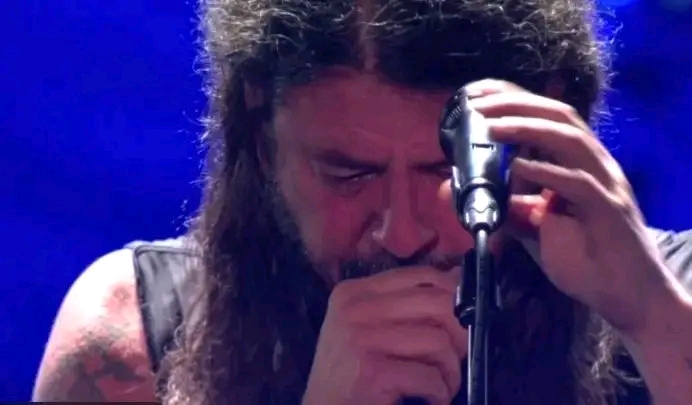
Fans, too, felt the shift. Concerts transformed into shared rituals of remembrance and resilience. Tears mixed with cheers. Voices cracked and then grew stronger together. In those moments, the band and the audience met on equal ground—people carrying stories, finding release in sound. The loss was not erased; it was carried, collectively.
As the year unfolded, Grohl learned that moving forward did not mean moving on. It meant honoring what was lost by continuing to create. Grief became a teacher, harsh but honest, reminding him that love leaves marks, and those marks can shape something beautiful. The Foo Fighters returned not unchanged, but deeper—aware that the road ahead would always include shadows, and that music, when it is true, has room for them.
In the end, the year could not absorb the loss—but the music could.