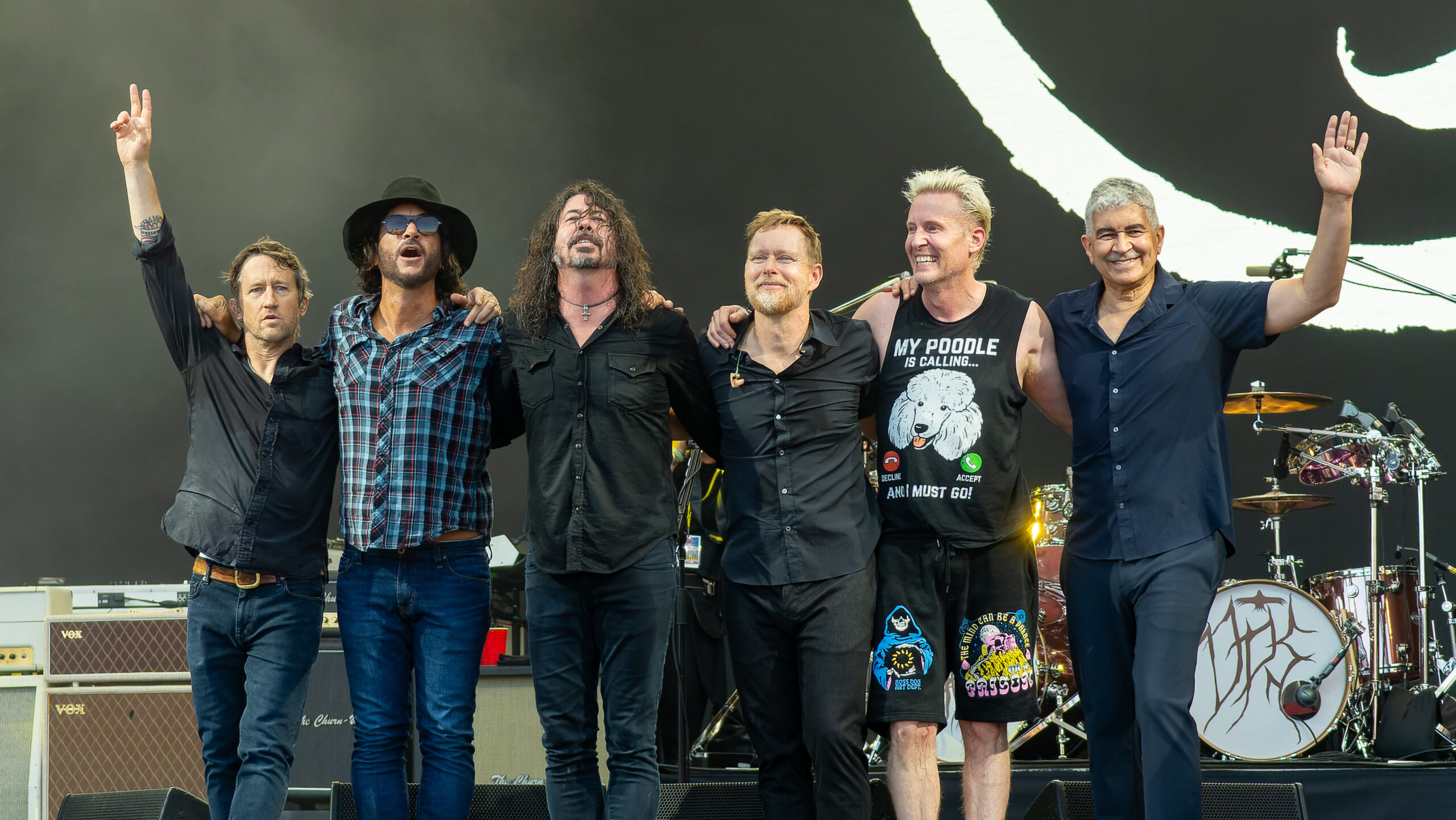
Netflix is set to premiere a highly touted new documentary celebrating the Foo Fighters, shining a spotlight on the band’s most iconic eras and the albums that defined their legacy. At the heart of the film is *The Colour and the Shape* (1997), widely regarded by fans and critics alike as the band’s crowning achievement. The documentary revisits how this breakthrough record transformed the Foo Fighters from a promising post-Nirvana project into one of the most powerful forces in modern rock music.
Released at a pivotal moment in the late 1990s, *The Colour and the Shape* captured raw emotion, melodic brilliance, and unfiltered energy. Tracks like “Everlong” and “Monkey Wrench” didn’t just dominate airwaves—they became generational anthems. “Everlong,” in particular, has endured as one of the most beloved rock songs of all time, praised for its vulnerability, intensity, and timeless appeal. The documentary explores how these songs were written, recorded, and ultimately embraced by a global audience, cementing Dave Grohl’s reputation as a songwriter of rare emotional honesty.
While *The Colour and the Shape* often sits at the top of “best Foo Fighters album” lists, the Netflix feature also dives into other fan-favorite records that continue to fuel debate. *There Is Nothing Left to Lose* (1999) is highlighted as a more melodic and atmospheric evolution for the band. Songs like “Learn to Fly” and “Breakout” showcased a smoother, more reflective side of the Foo Fighters, helping them reach an even broader mainstream audience while maintaining their rock credibility.
Equally celebrated is *Wasting Light* (2011), an album many fans argue rivals—or even surpasses—the band’s earlier classics. Recorded entirely on analog tape in Dave Grohl’s garage, *Wasting Light* was a deliberate return to raw, no-frills rock. Tracks such as “Rope,” “Walk,” and “These Days” reasserted the band’s hunger and intensity, earning critical acclaim and multiple Grammy Awards. The documentary presents *Wasting Light* as proof that the Foo Fighters could still reinvent themselves decades into their career without losing their core identity.
By weaving together studio footage, archival performances, and personal reflections, Netflix’s documentary offers more than nostalgia. It captures the enduring debate over which Foo Fighters album truly stands as their best—while reminding viewers that the band’s greatness lies not in a single record, but in a body of work that continues to inspire, evolve, and connect with fans around the world.